Why the Body Matters: The Case Every Parent Should Hear

Classical Education Without the Body Is a Ghost School
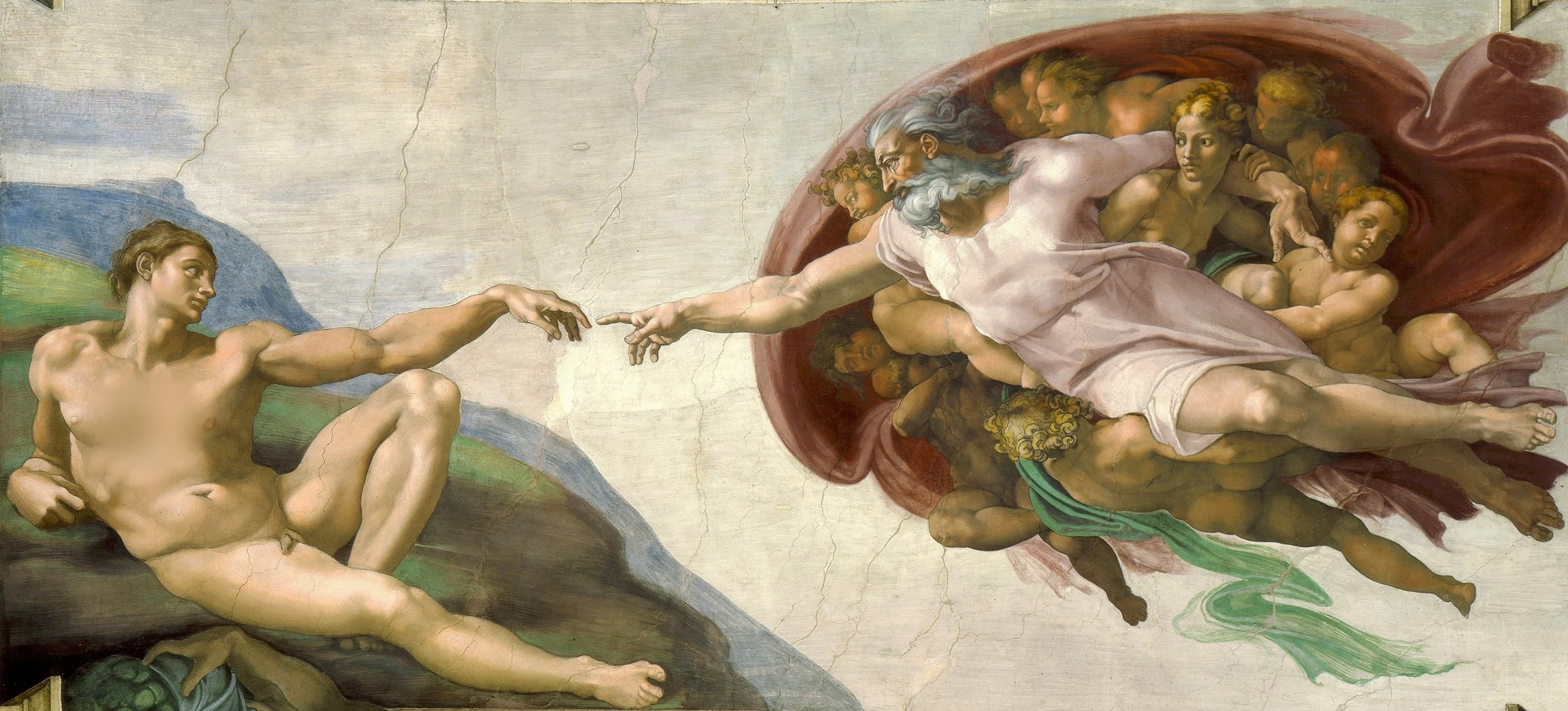
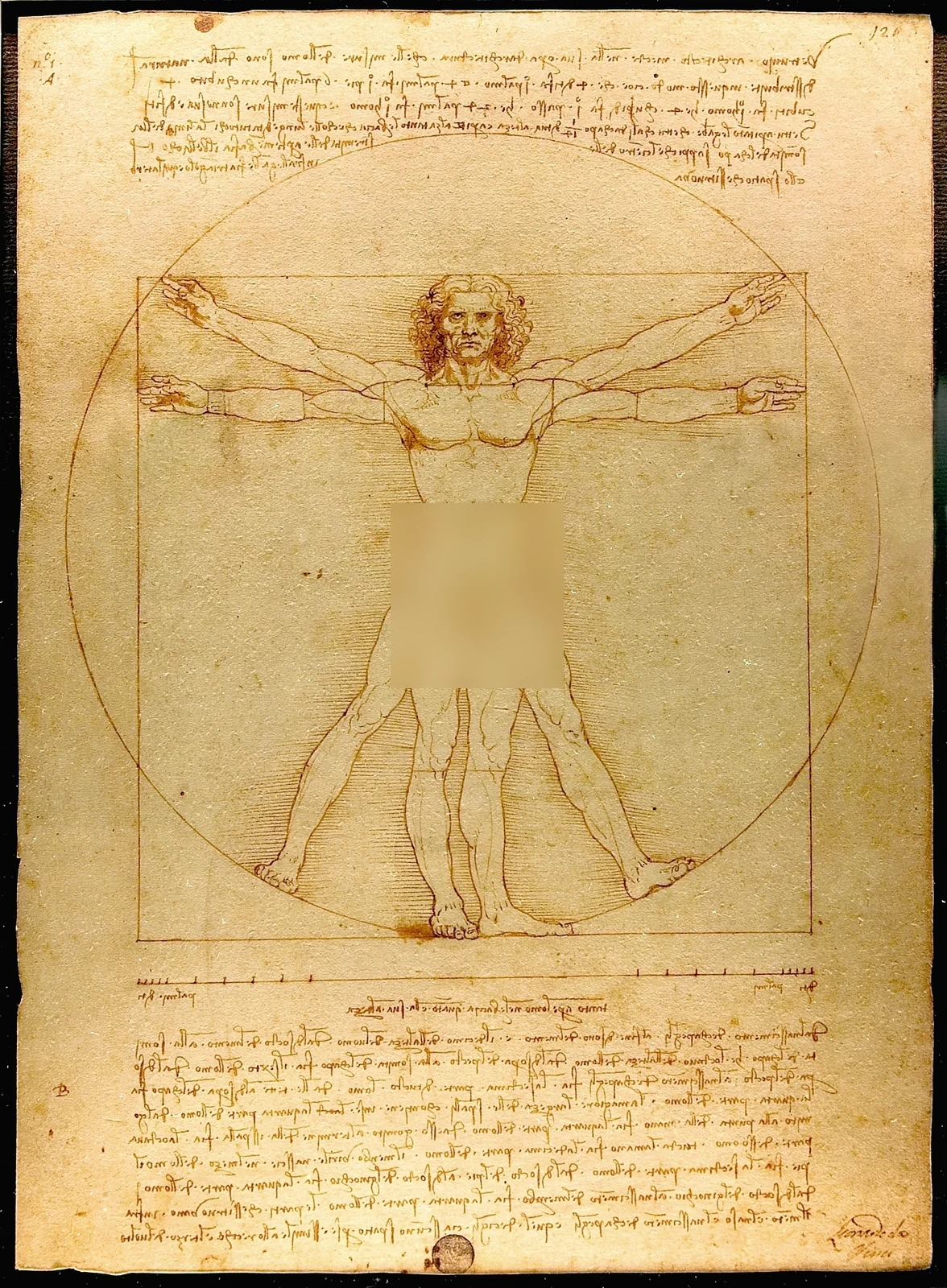
The classical tradition never separated the education of the mind from the care of the body. Plato’s Republic prescribes gymnastics alongside music as the twin foundations of education: music for the soul, gymnastics for the body, and both working together to produce the well-ordered human being. Aristotle went further, insisting in the De Anima that the soul is the form of the body — not a ghost trapped in a machine, but the animating principle that makes the body alive. To neglect the body is therefore to neglect the soul, because they are not two things but one.
A school that educates the mind and ignores the body is, in Aristotle’s terms, educating a half-person. And a half-person is not what any parent is raising. Your child is not a brain on a stick. She is a body-soul unity, and her education must honor both.
Goodness: Bodily Discipline Is Moral Discipline
The transcendental of goodness encompasses the body no less than the mind. St. Paul wrote to the Corinthians: “Do you not know that your body is a temple of the Holy Spirit within you, which you have from God? You are not your own; you were bought with a price. So glorify God in your body” (1 Corinthians 6:19–20, RSV-CE). This is not a metaphor. It is a theological claim with practical consequences: if the body is a temple, then caring for it — feeding it well, moving it vigorously, resting it properly — is not a lifestyle preference but a moral and spiritual obligation.
St. John Paul II, in his Theology of the Body, developed this insight across 129 audiences, arguing that the human body is not merely biological matter but a sign — a visible expression of the invisible person, a language through which the soul speaks. A child who learns to discipline her body — to run when she is tired, to eat what nourishes rather than what merely pleases, to sleep enough and rest well — is learning the same virtue of temperance that classical education cultivates in every other domain. Bodily discipline is moral discipline, and a school that ignores the body has abandoned one of the oldest and most effective arenas for forming character.
The Advantage of the Online Student
The conventional school day is, for the body, a catastrophe. A child sits on a bus. Sits in a classroom. Sits at lunch. Gets twenty minutes of recess if the weather allows. Sits in another classroom. Sits on the bus home. By the time she arrives, she has been sedentary for seven or eight hours, and what remains of the afternoon is consumed by homework. The online student has an extraordinary advantage: her live instruction ends by early afternoon, and the remaining hours of the day belong to her family. Those hours are not a gap in the schedule. They are the hours when the body can do what it was made to do: move, play, stretch, climb, swim, hike, dance, rest.
Research in exercise science consistently shows that children who engage in at least 60 minutes of moderate-to-vigorous physical activity daily demonstrate better attention, stronger working memory, and higher academic achievement than their sedentary peers. The Virtualis schedule does not merely permit this. It makes it structurally possible in a way the conventional school day does not.
What This Means for Your Child
Your child will not sit in front of a screen all day. Through our partnership with Vitae Health, she will receive wellness guidance rooted in the conviction that the body is sacred — not a machine to optimize, but a temple to steward. She will have the time, the structure, and the encouragement to move her body vigorously every day, to eat well, to sleep enough, and to develop the habits of physical discipline that the classical tradition has always understood as inseparable from the formation of virtue. The body matters. We treat it accordingly.
Four Dimensions of Wellness
Movement & Proportion
Daily movement — stretching, walking, breathing, play — ordered toward balance, strength, and the virtue of temperance (sophrosyne). The body learns discipline through motion, not through sitting still.
Nourishment & Stewardship
Food as gift, not project. Students learn that feeding the body is formational: meals should be relational, not transactional. Gratitude becomes the liturgy. Stewardship becomes the virtue.
Rest & Rhythm
Classical education honors the sabbath principle: rest is not laziness — it is trust. Sleep, Sabbath, and seasonal rhythm are taught as disciplines of the well-ordered life, not luxuries to be earned.
Virtue Through the Body
Stillness teaches control. Balance teaches centeredness. Strength teaches responsibility. Every physical discipline has a moral analogue — and classical wellness makes that connection explicit.
Movement as Formation
Christian anthropology teaches that the body is not an ornament — it is a vessel of vocation. Teaching children to move well is part of forming them to live well. Posture affects prayer. Rhythm brings peace. Stillness teaches control, not collapse.
Formation and Athletics
Virtuous movement begins with formation — the daily habits of stretching, breathing, walking, and stewardship that shape character. But it does not end there. We actively encourage our students to pursue competitive sports and organized athletics: join a local team, train for a race, take up a martial art. Virtualis families in Arizona also have the opportunity to participate in local Great Hearts athletics programs.
Families Move Together
You do not need a gym membership. You need a space. A moment. Stretch beside your child. Take a deep breath with them. Do push-ups between spelling lessons. Walk the block together after lunch. These are not distractions from learning. These are the learning.
Do you not know that your body is a temple of the Holy Spirit within you, which you have from God?— 1 Corinthians 6:19
Hands-On Wellness Consultations
Through Vitae Health (opens in new tab), Virtualis families can access personalized wellness support from Christian clinicians led by Dr. Dana Rodriguez, PhD, PNP-BC — clinicians who view wellness through a formation lens, not a performance one.
What Consultations May Include
Daily movement plans tailored to your child’s age and development. Nutrition guidance rooted in stewardship, not dieting. Sleep and rhythm coaching for the whole family. Developmental screenings and parent training.
Consultations are available on a case-by-case basis. Availability, scope, and any associated costs vary. Visit vitaehealth.org (opens in new tab) for details on how telehealth works.
Frequently Asked Questions
Virtualis students should be more active than traditionally schooled children, not less. Without bus rides, hallway transitions, and desk-bound hours, online students have more time for genuine physical activity. Our wellness program provides daily movement formation, nutrition guidance, and hands-on consultations through Vitae Health.
Through Vitae Health, families can access wellness coaching — consultations covering daily movement, nutrition, sleep, and family rhythms with a Christian clinician who views wellness through a formation lens. Availability and services may vary. Visit vitaehealth.org (opens in new tab) for details.
At Virtualis, movement is formation, not athletics. Guided activities — stretching, walking, breathing, balance drills — teach virtues like discipline, temperance, and stewardship of the body. Stillness teaches control. Balance teaches centeredness. Strength teaches responsibility.
Vitae approaches nutrition as stewardship, not dieting. Students learn to understand food as a gift, explore Latin vocabulary for nourishment, reflect on Scripture about the body, and build habits of gratitude and temperance around meals. The goal is to form appetite, not police it.
Vitae Formation is Virtualis’s distinctive K–12 Christian health and formation curriculum (Ready for 2026–27), integrating anatomy, virtue ethics, movement, Latin, Scripture, and theology of the body through the Quintivium textbook series. Wellness and PE are a core part of this formation. Learn more →