A Coherent Classical Education
The Virtualis curriculum is not a collection of unrelated courses. It is a unified K–12 program built on two pillars: the classical liberal arts delivered through Great Hearts Online, and the proprietary Vitae Formation program — ready for 2026–27 — designed by Dr. Dana Rodriguez.
Together they form an education where every subject is connected. Literature illuminates history; mathematics cultivates precision of thought; science trains careful observation; Latin strengthens the foundations of language and reasoning; theology gives the whole project its purpose. Students learn not only what to know, but how to know, why it matters, and who they are becoming in the process.
Every subject on this page is taught live by experienced subject-specialist teachers through Socratic instruction. No recorded lectures, no self-paced modules as the core of instruction, no one-size-fits-all textbook. Subject-specialist teachers in small cohorts, every day, in the same classical sequence Western families have trusted for centuries.
What follows is the whole curriculum in outline — the six core subjects, the three classical stages, and the Academic Life infrastructure that makes the whole thing work from kindergarten through twelfth grade.
Core Subjects
Each subject is part of a coherent classical sequence, taught live by experienced teachers through Socratic instruction. Click any card to read the full curriculum for that subject.
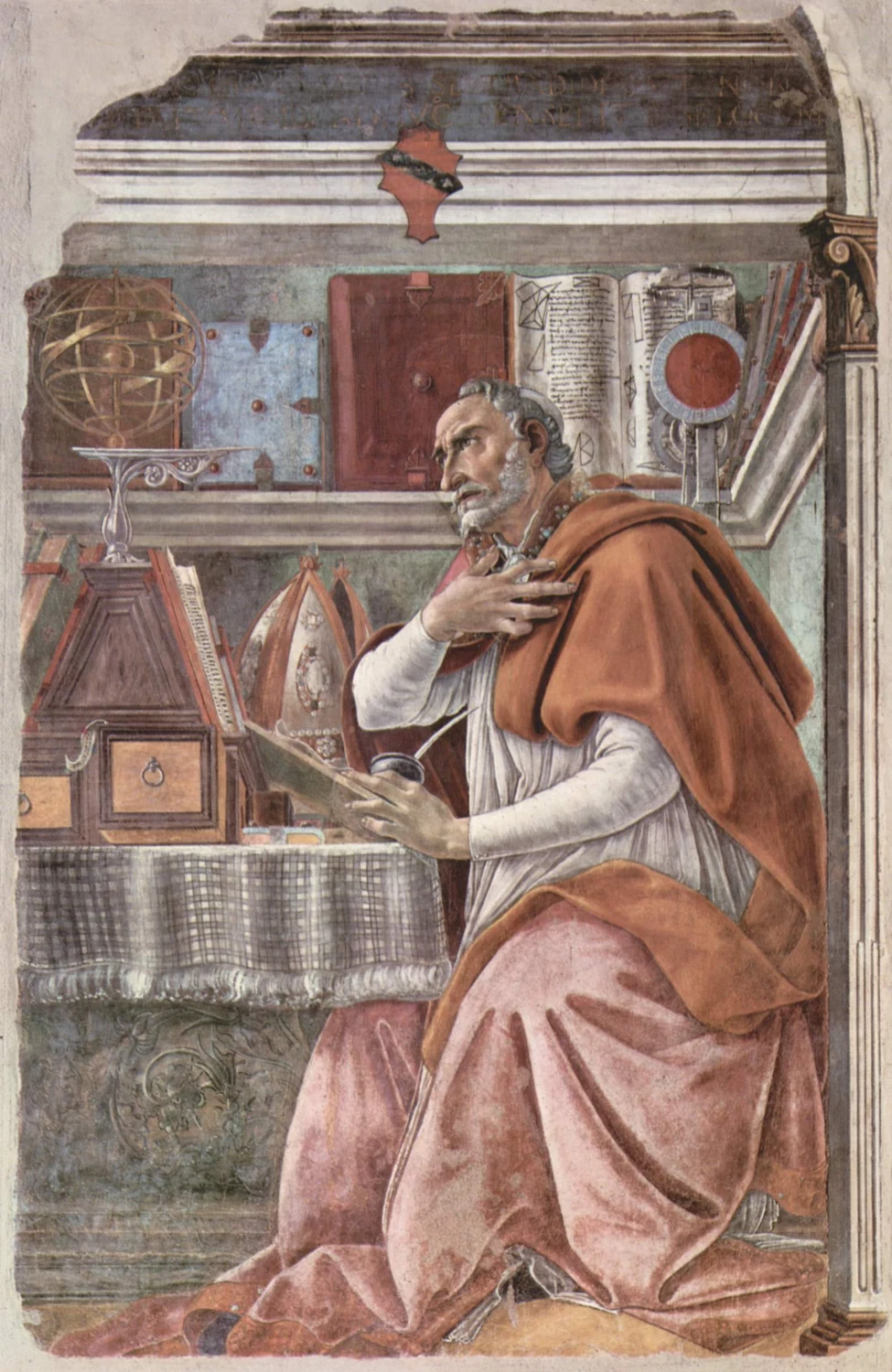
English Language Arts
Grammar, composition, rhetoric, and the Great Books — from phonics in kindergarten to Shakespeare and Dostoevsky in high school. Read, write, discuss, defend.
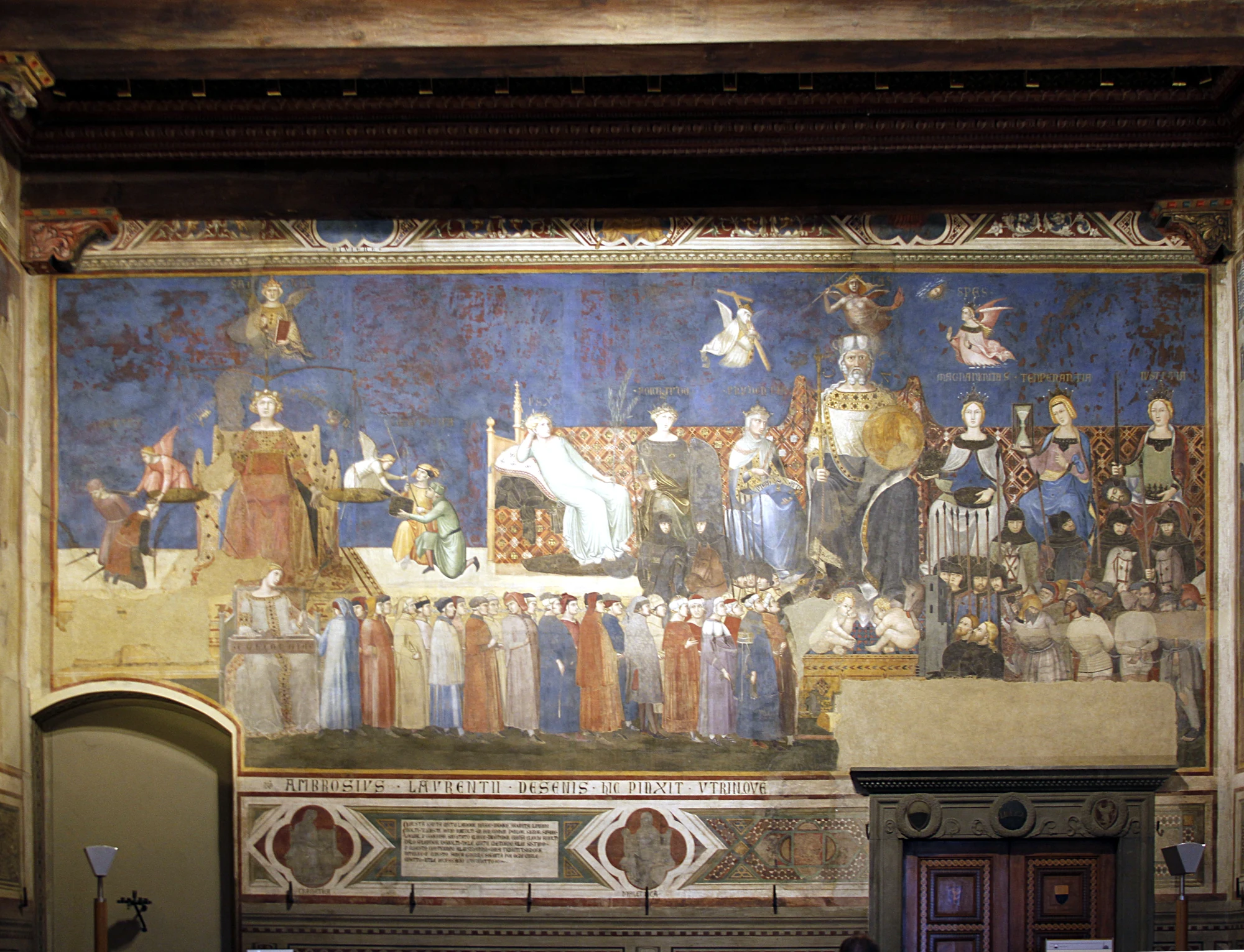
History & Humanities
A chronological, narrative approach to world and American history — connecting events to the ideas, causes, and consequences that shaped them.

Science
Inquiry-based science from elementary through high school, emphasizing observation, reasoning, and wonder. Science as natural philosophy, not rote recall.
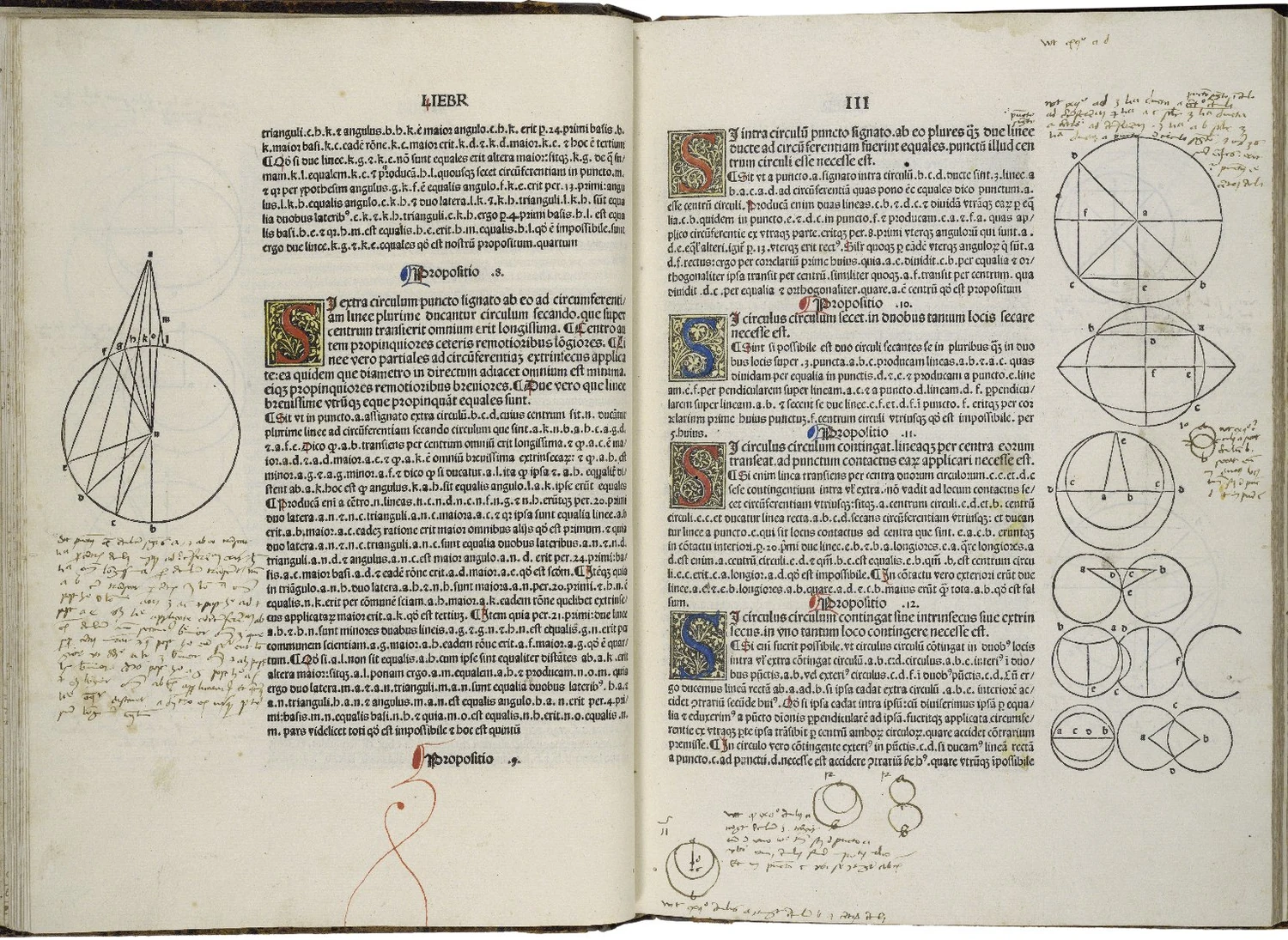
Mathematics
From arithmetic to calculus, taught with conceptual depth and logical rigor — building the habits of precise and careful reasoning that last a lifetime.
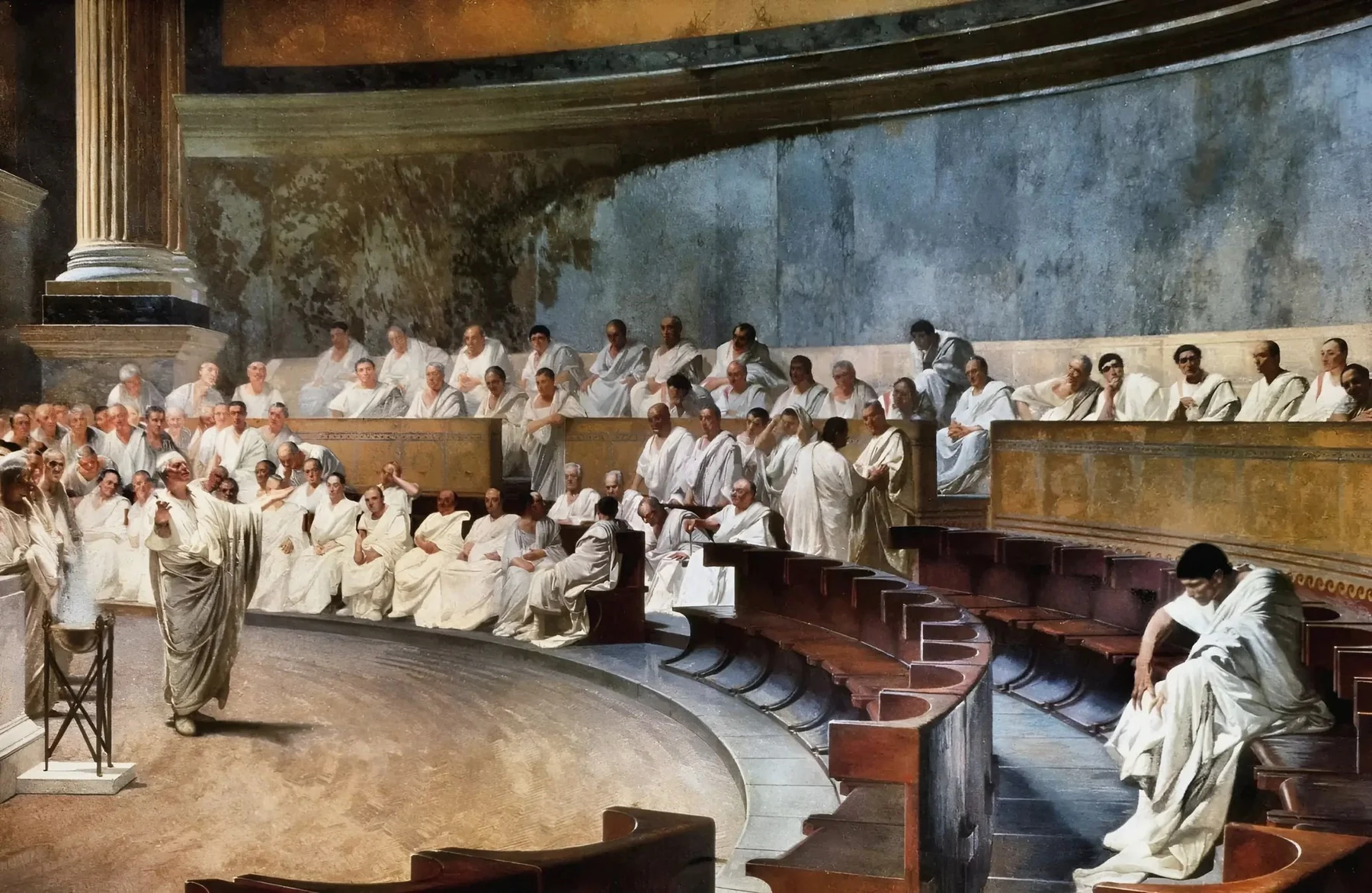
Latin & Classical Languages
Seven years of Latin beginning in sixth grade — building vocabulary, grammar, and a deep connection to the Western intellectual tradition through Cicero, Virgil, Augustine, and Aquinas in the original.
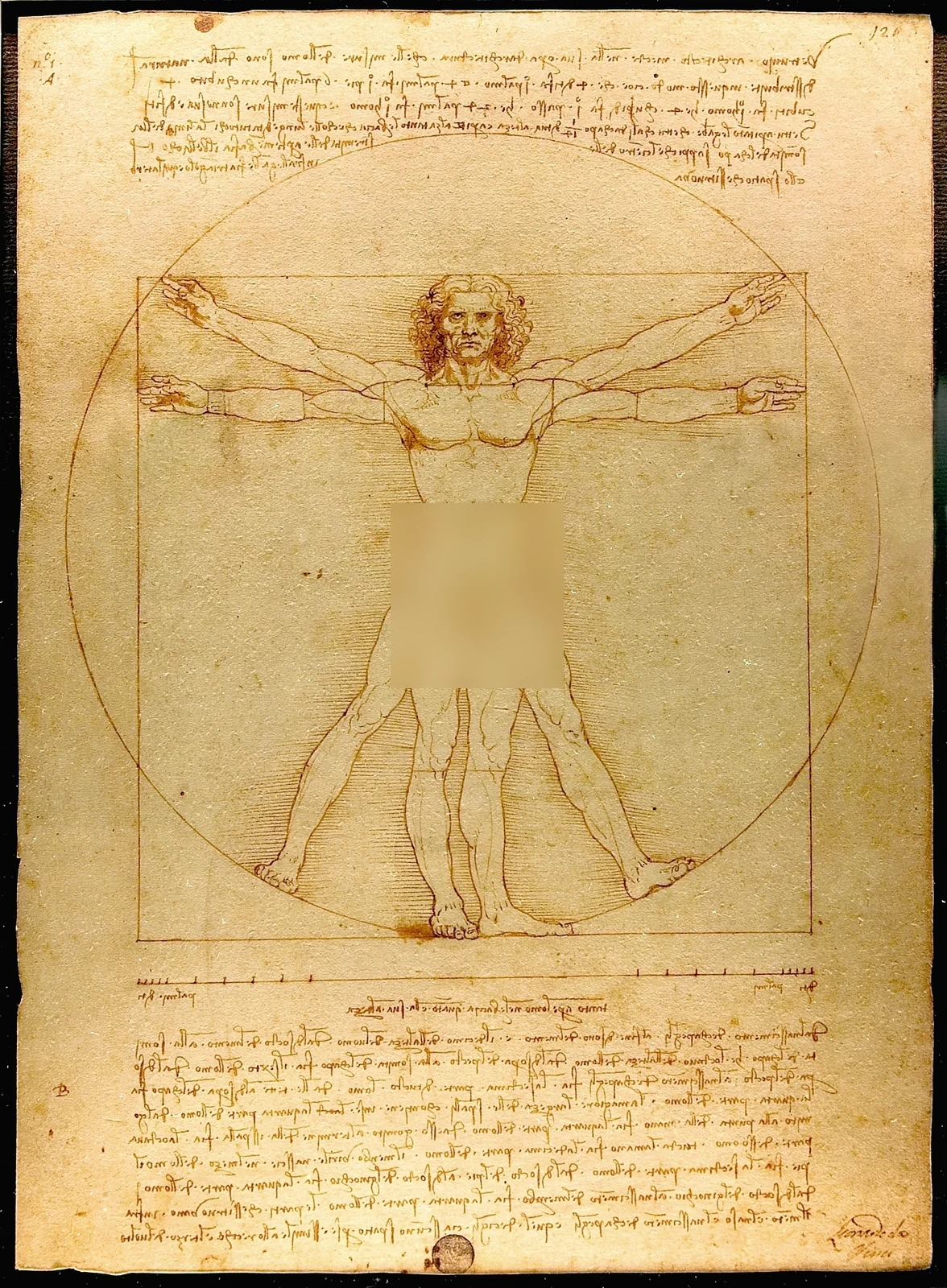
Vitae Formation (ready for 2026–27)
A Christ-centered program for body, mind, and soul — integrating anatomy, bioethics, physical education, and sacramental theology. Designed by Dr. Dana Rodriguez, PhD.
The Classical Sequence
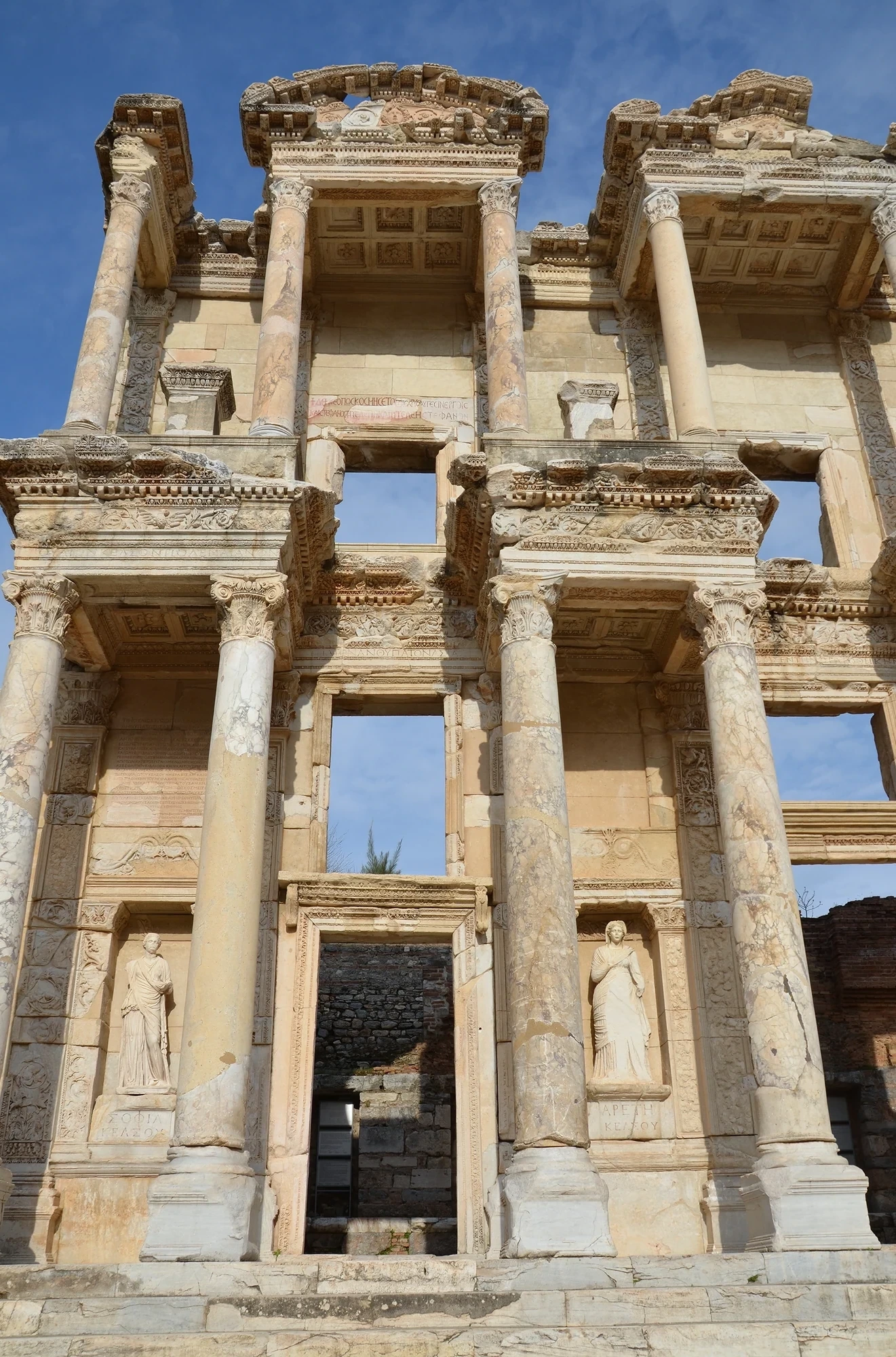
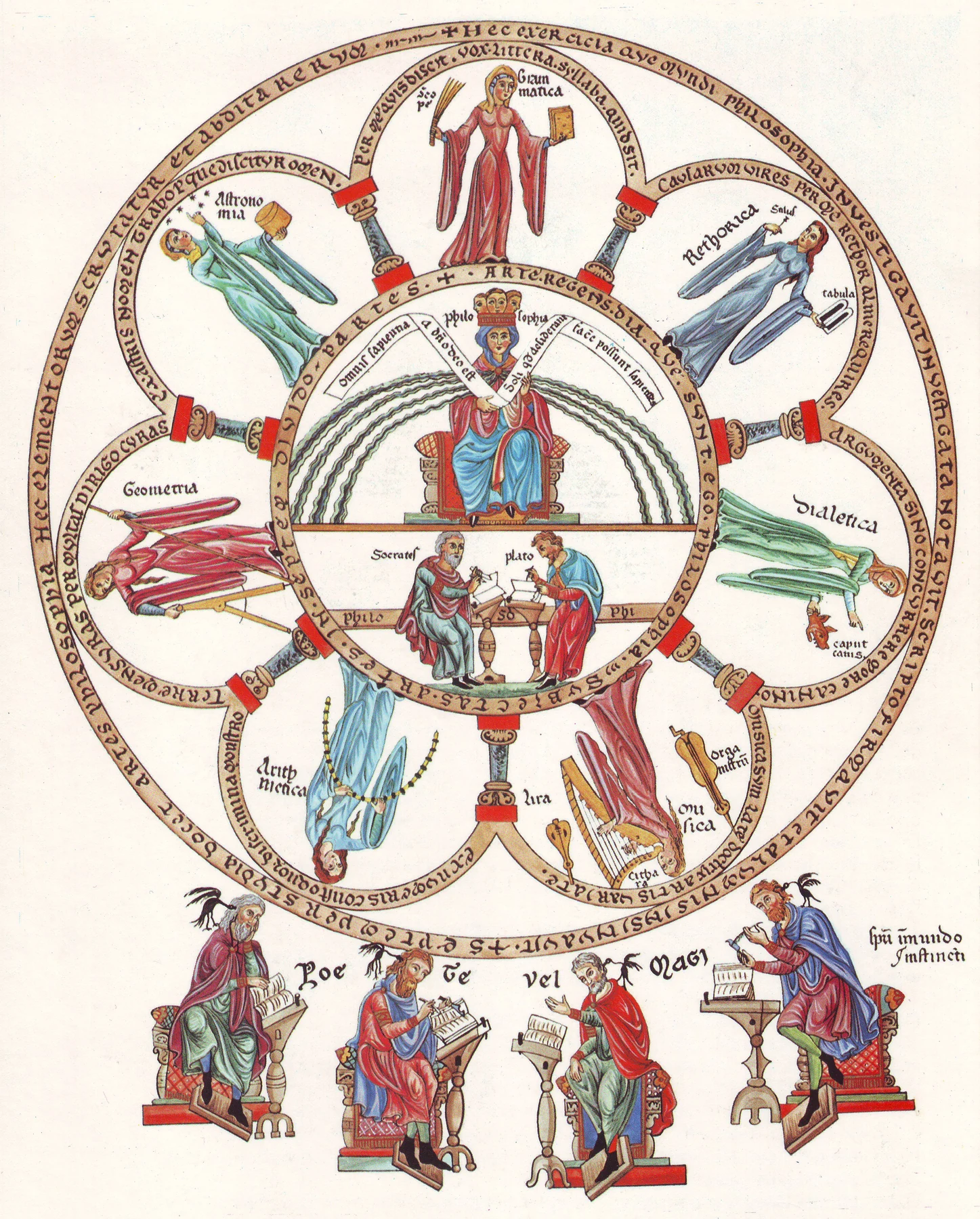
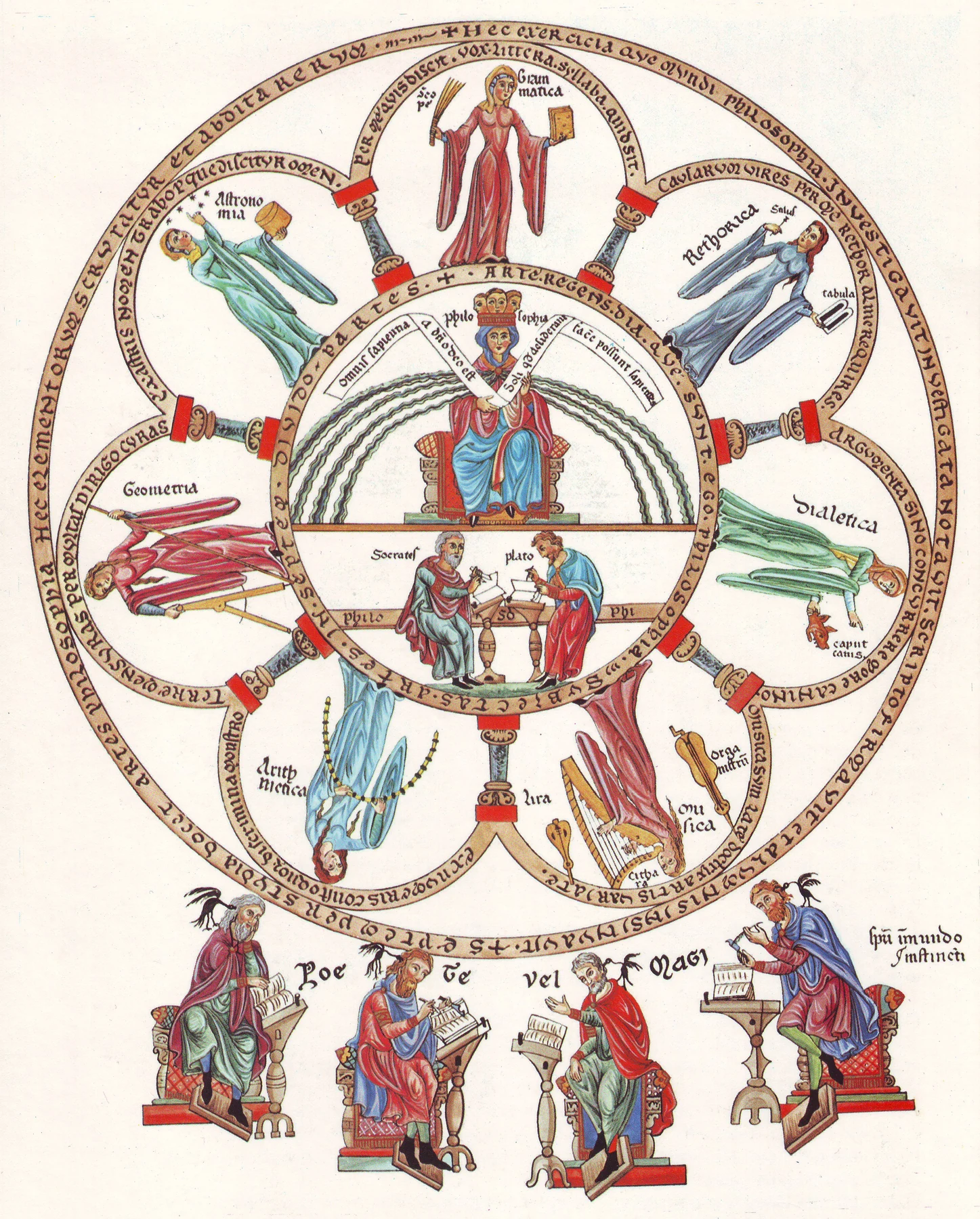
Classical education follows the natural development of the child through three stages, each building on the last. Dorothy Sayers called them the Poll Parrot, the Pert, and the Poetic stages in her 1947 essay The Lost Tools of Learning. The medieval tradition had called them the Trivium centuries earlier: Grammar, Logic, Rhetoric. The Virtualis curriculum is organized around these three stages, with the full Quadrivium (the arts of number — Arithmetic, Geometry, Music, Astronomy) threaded through the upper years.
Grammar (K–5) — Gathering the Tools
In the elementary years, children are hungry to collect facts, memorize songs, learn rhymes, and build vocabulary. The Grammar stage honors that appetite. Students learn phonics, reading, and handwriting; arithmetic and number sense; nature study and the basics of scientific observation; history through narrative and biography; introductory Latin; and the recitation of poetry and Scripture. The aim is to put the tools of learning into the student’s hands — and to build delight in the process.
Logic (6–8) — Sharpening the Tools
In the middle-school years, the child’s appetite shifts from collecting to questioning. The Logic stage meets that shift with formal grammar and composition, pre-algebra through algebra, the history of ideas, scientific reasoning, and the beginnings of formal Latin translation. Students learn to argue, to detect fallacies, and to structure their thinking in the classical categories the Western tradition has used for two thousand years.
Rhetoric (9–12) — Using the Tools WellPhasing in Fall 2028+
In the high-school years, the student is ready to speak and write for a real audience. The Rhetoric stage brings the tools of the first two stages together into eloquence: literature and composition through primary texts, advanced mathematics, history and the humanities, laboratory science, and classical Latin authors. The capstone is the senior thesis — a sustained written argument, defended orally, that integrates what has been learned across every subject.
Powered by Great Hearts Online
Virtualis partners with Great Hearts Academies — the largest classical education network in America. Through Great Hearts Online, our students receive the same rigorous classical curriculum that has earned Great Hearts a national reputation for academic excellence.
Every class is taught live by experienced, subject-specialist teachers trained in the Socratic method. Students engage in real-time discussion, receive personal feedback, and become part of an authentic learning community — all from the comfort and safety of home. What Virtualis adds is the Christian framing, telemedicine through Vitae Health (opens in new tab), and — ready for 2026–27 — the Vitae Formation Program.
Students
Students taught through the Great Hearts network across its brick-and-mortar academies and its online program.
Campuses
Great Hearts academies across three states — Arizona, Texas, and Louisiana — plus Great Hearts Online serving all fifty.
Years
Refining the classical model since 2003 — curriculum, teacher training, and Socratic discussion at scale.
SAT Average
Great Hearts Class of 2025 average SAT score, 182 points above the national average (Class of 2025). From the Great Hearts brick-and-mortar network.
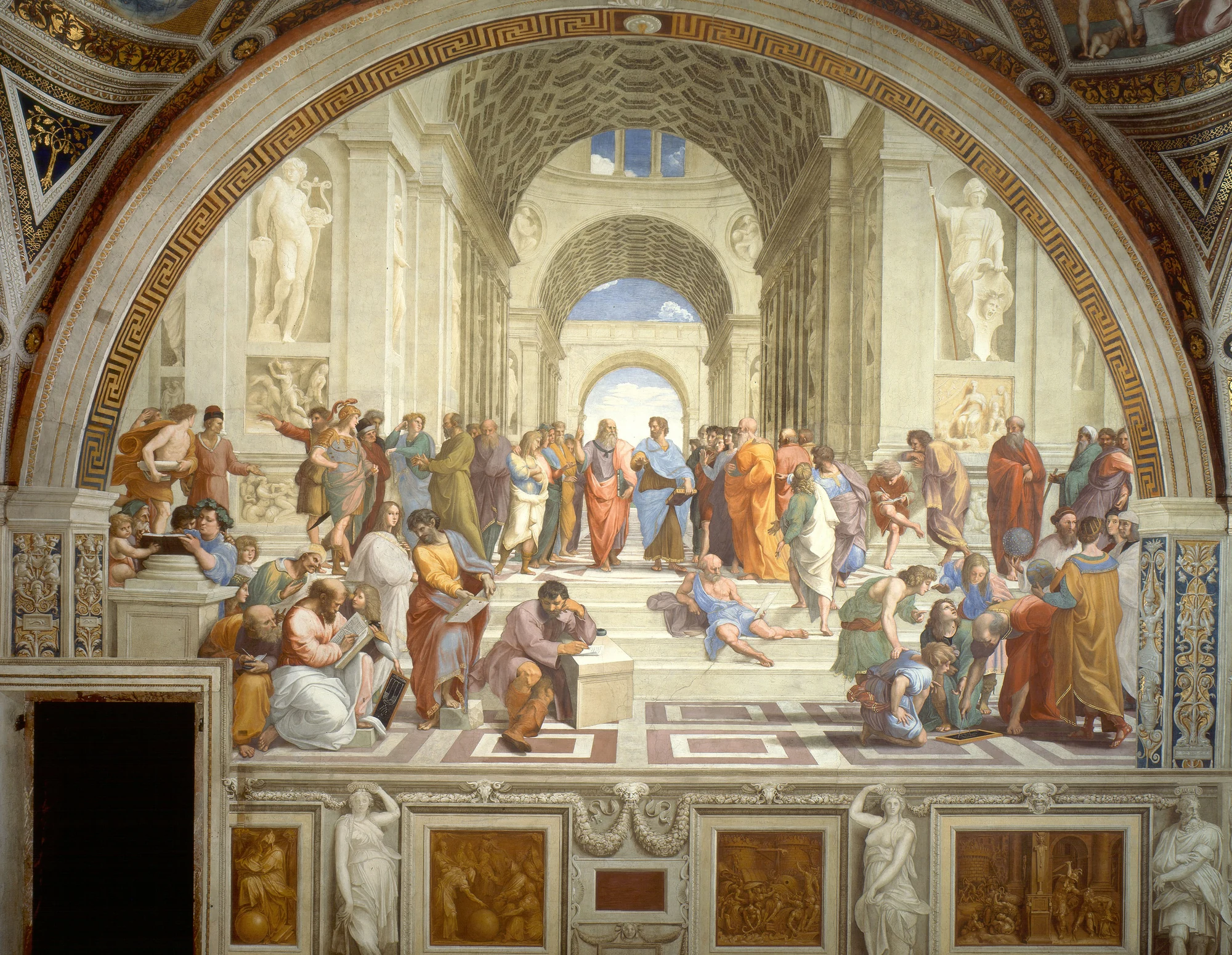
Wisdom is the principal thing; therefore get wisdom: and with all thy getting get understanding.— Proverbs 4:7
Frequently Asked Questions
Virtualis delivers the Great Hearts Online classical curriculum — a carefully sequenced K–12 program rooted in the liberal arts tradition. Core subjects include English Language Arts, Mathematics, History and Humanities, Science, and Latin, all taught through live Socratic instruction with experienced subject-specialist teachers. The Vitae Formation program, designed by Dr. Dana Rodriguez, is ready for 2026–27 and will add a Christ-centered theology-of-the-body dimension alongside the core academic subjects.
All classes are taught live by subject-specialist teachers trained in the Socratic method. Students participate in real-time discussion through small-group video sessions, receive personal feedback, and engage in the same rigorous academic experience offered at Great Hearts brick-and-mortar campuses. Independent reading, writing, and problem sets are completed between classes on the student’s own schedule — the normal rhythm of a classical school day, adapted for the home.
Virtualis Arizona is enrolling Kindergarten through 7th grade for the 2026–27 academic year. The full K–12 classical sequence describes what families enrolling now are signing up for: high school grades phase in one per year starting Fall 2028 (Grade 9), with the complete K–12 program in place by 2031–32. The Grammar stage (K–5) builds foundational knowledge and habits of attention. The Logic stage (6–8) develops analytical reasoning and formal argumentation. The Rhetoric stage (9–12) cultivates eloquent expression and the integration of knowledge across every subject. See the daily schedule for how the stages translate into a typical school day.
Vitae Formation is a Christ-centered K–12 health, virtue, and theology of the body curriculum — ready for 2026–27. Designed by Dr. Dana Rodriguez, PhD, it integrates anatomy, bioethics, physical education, and sacramental theology into a comprehensive program that honors the dignity of the human person. See the Vitae Formation page for full details.
Yes. Academic instruction is delivered through Great Hearts Online, which is Cognia-accredited and maintains rigorous accreditation standards across its academies. Virtualis meets or exceeds state academic standards while delivering a classical education that goes far beyond them. See our Accreditation & Standards page for full details.
Have more questions? Visit our full FAQ page or request information directly.