Vitae Formation
Mens sana in corpore sano, anima in Christo.
Christian holistic health grounded in beauty, truth, and the dignity of the human person.
A program for every family. Healing body and soul, classical and Christian, from the Vitae clinic to the Virtualis classroom.
Vitae is a Christian program that unites a K–12 health formation curriculum with a Christian telemedicine practice — education, virtue, and medical care under one roof. Founded and led by Dr. Dana Rodriguez, PhD, available to Virtualis families through our partnership with Vitae Catholica.
Ready for 2026–27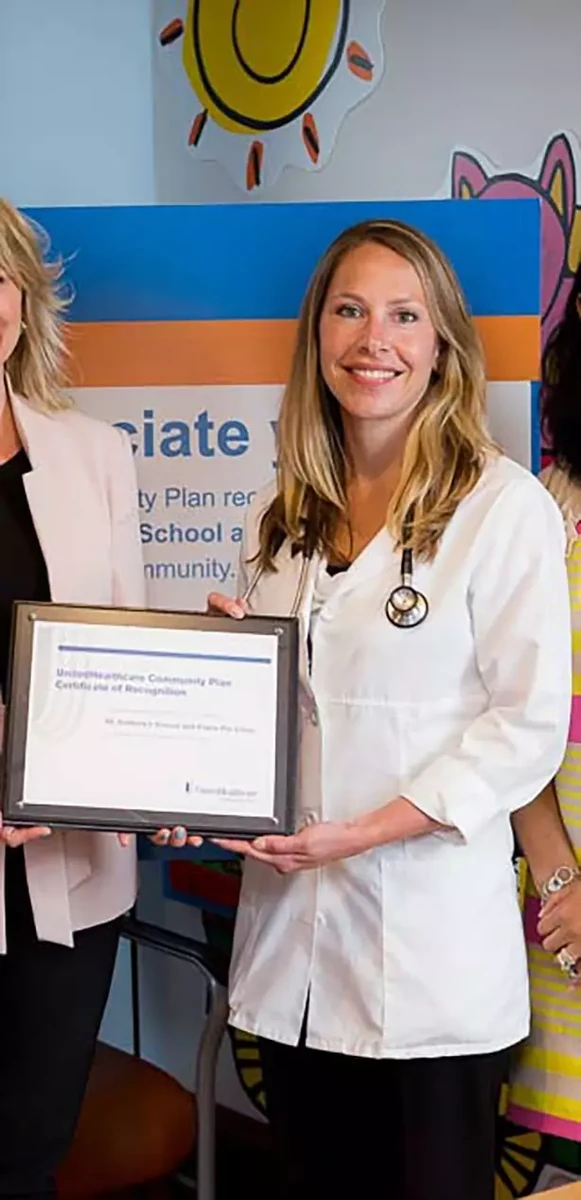
A Christian School of Health
Vitae is a Christian program that unites a K–12 health formation curriculum with a live Christian telemedicine practice, under the direction of Dr. Dana Rodriguez, PhD. Education, virtue, and medical care under one roof — built on the Christian conviction that the body is a temple, not a machine. Vitae stands in the lineage of the Schola Medica Salernitana and the University of Padua, the two Christian schools that first taught the West to read the human body as a moral and theological object.
Dr. Dana Rodriguez, PhD
A Pediatric Nurse Practitioner with a doctorate in nursing, two decades of clinical experience, and the mother of two. She does not write health curriculum at a distance — she writes what she already practices at the bedside every week.
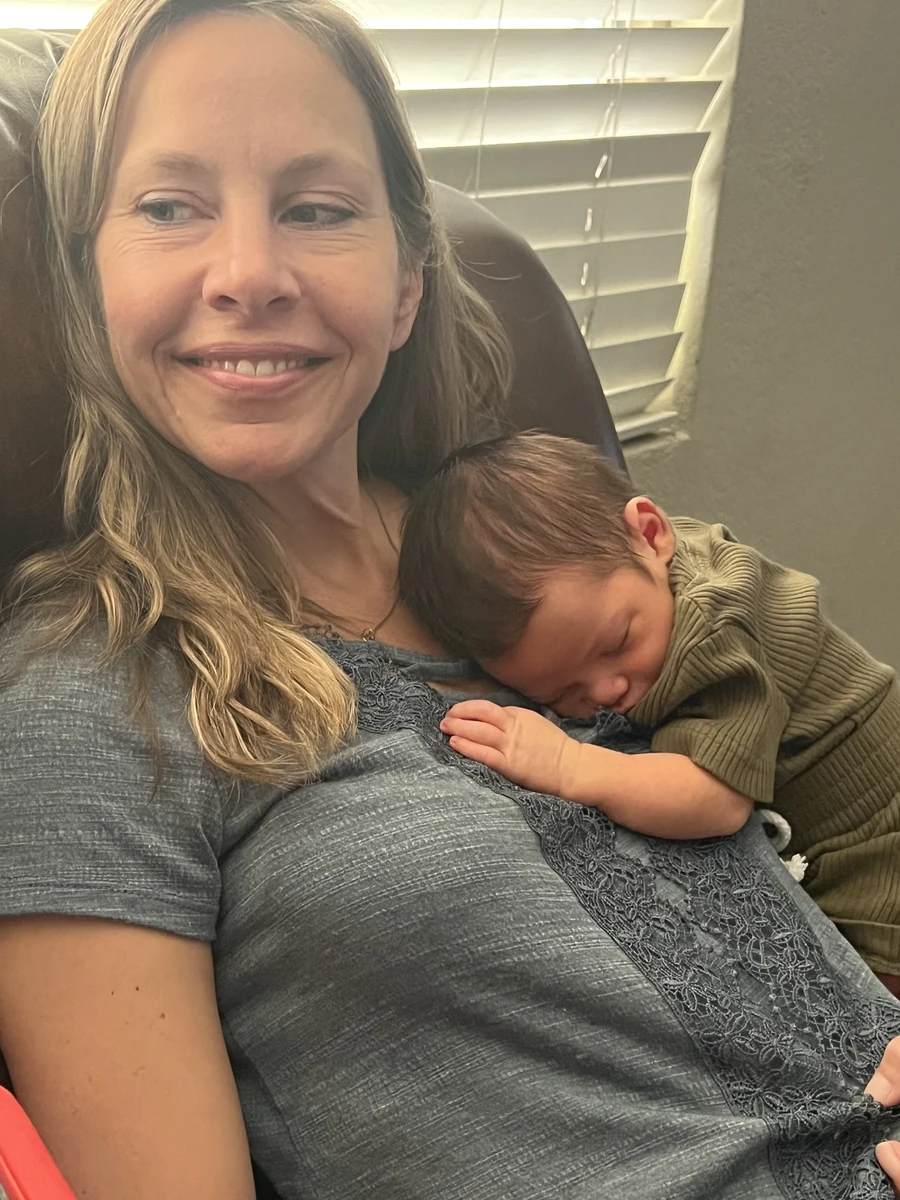
Dana has spent two decades caring for children and counseling their parents. She holds a Doctor of Philosophy in Nursing, board certification as a Pediatric Nurse Practitioner (PNP-BC), and she is the mother of two. She is the founder and clinical director of Vitae — the Christian program that unites a K–12 health formation curriculum with a live Christian telemedicine practice. She built Vitae out of the conviction that health is not a subject to be studied alongside a faith, but an art that a Christian parent owes her child.
The clinical side of Vitae is already open and seeing patients. The K–12 formation curriculum is ready for 2026–27. When the curriculum launches, it will join the live clinic as the second half of the same Vitae program — so a question raised in the textbook can be followed up with a real appointment the same week, with the same clinician who wrote the chapter. That continuity between classroom and clinic is what makes Vitae a Christian program rather than a curriculum bolted onto a school.
- PhD, Doctor of Philosophy in Nursing
- RN, Registered Nurse
- PNP-BC, Pediatric Nurse Practitioner
- Two decades in practice
- Mother of two
- Co-founder, Vitae Catholica
“I write this curriculum for my own children first, and then for yours. Every lesson is something I would want a son or a daughter of mine to know before they leave my house.”
Dana Rodriguez
Author, Vitae Formation · Co-founder, Vitae Catholica
Four Witnesses We Stand Behind
Vitae does not invent a new tradition of Christian health. It recovers one that is nearly a thousand years old and largely forgotten. These four are its principal witnesses.
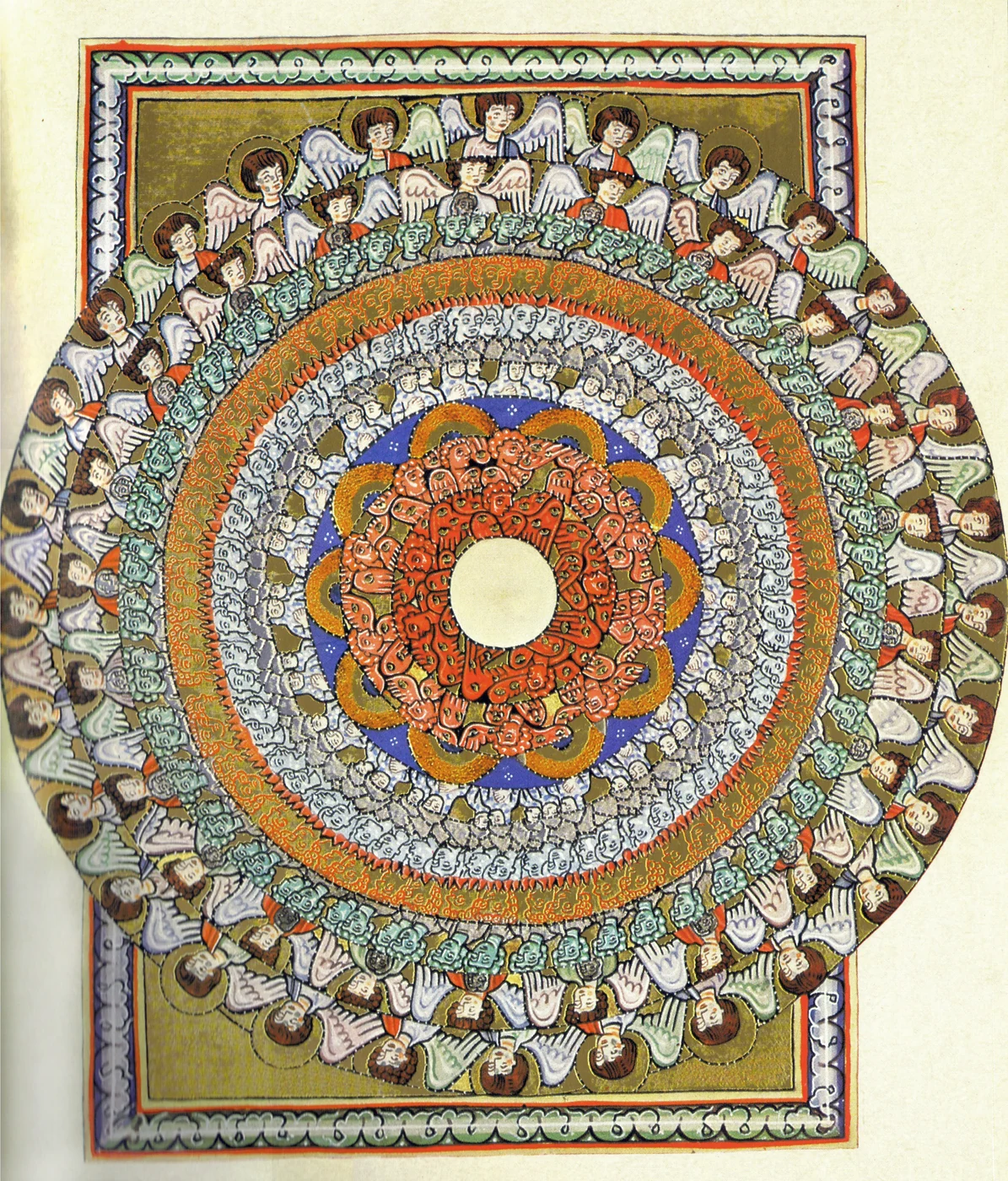
Hildegard of Bingen
Doctor Ecclesiae
Benedictine abbess, composer, preacher, and physician. Her Causae et Curae is among the first Christian manuals to treat medicine as a branch of moral theology — body, soul, and sacraments in one book.
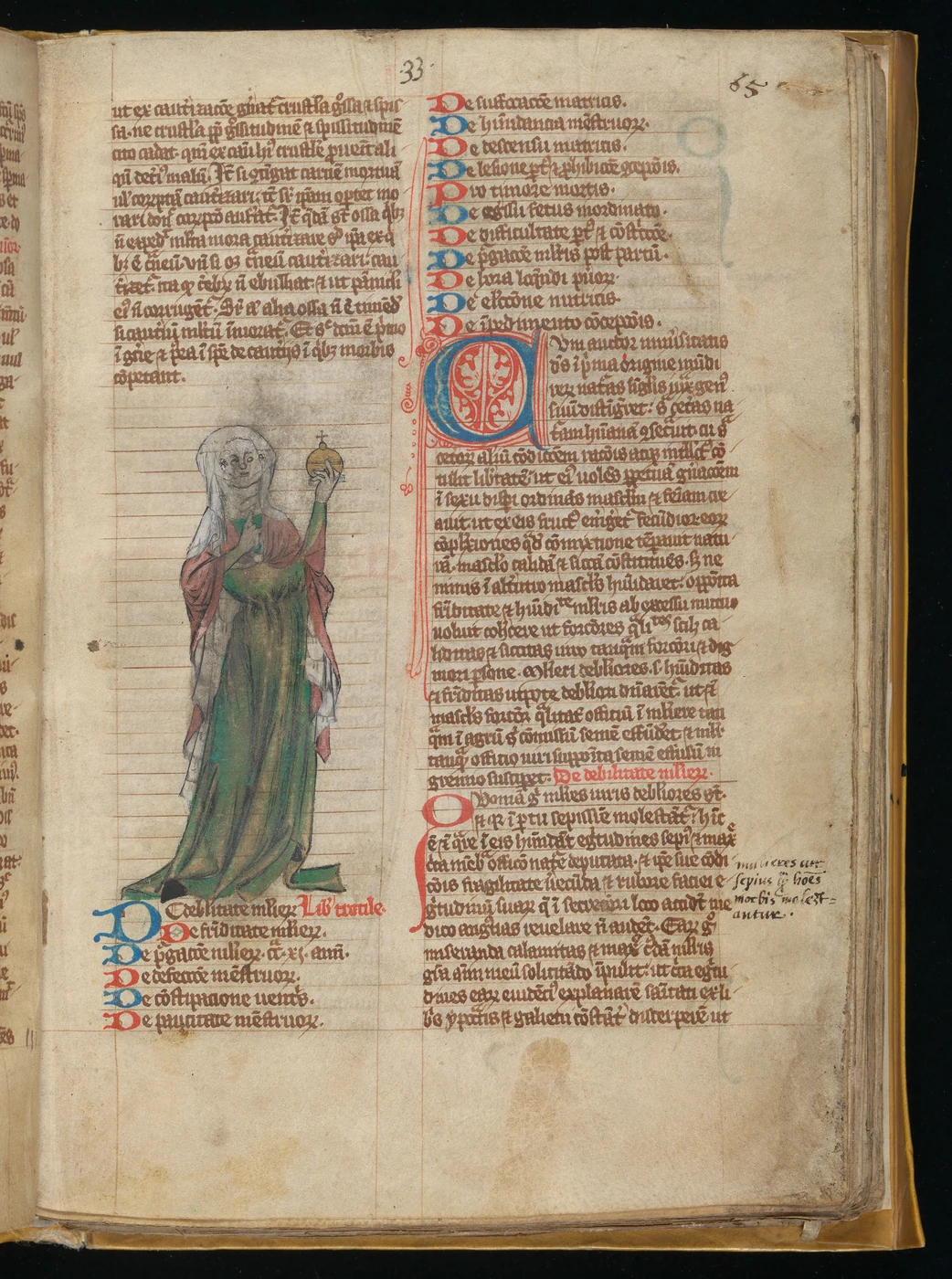
Trota of Salerno
Mulier Sapiens
The first named woman physician of the Schola Medica Salernitana. Her Trotula corpus taught Europe how to care for mothers and children for four centuries.
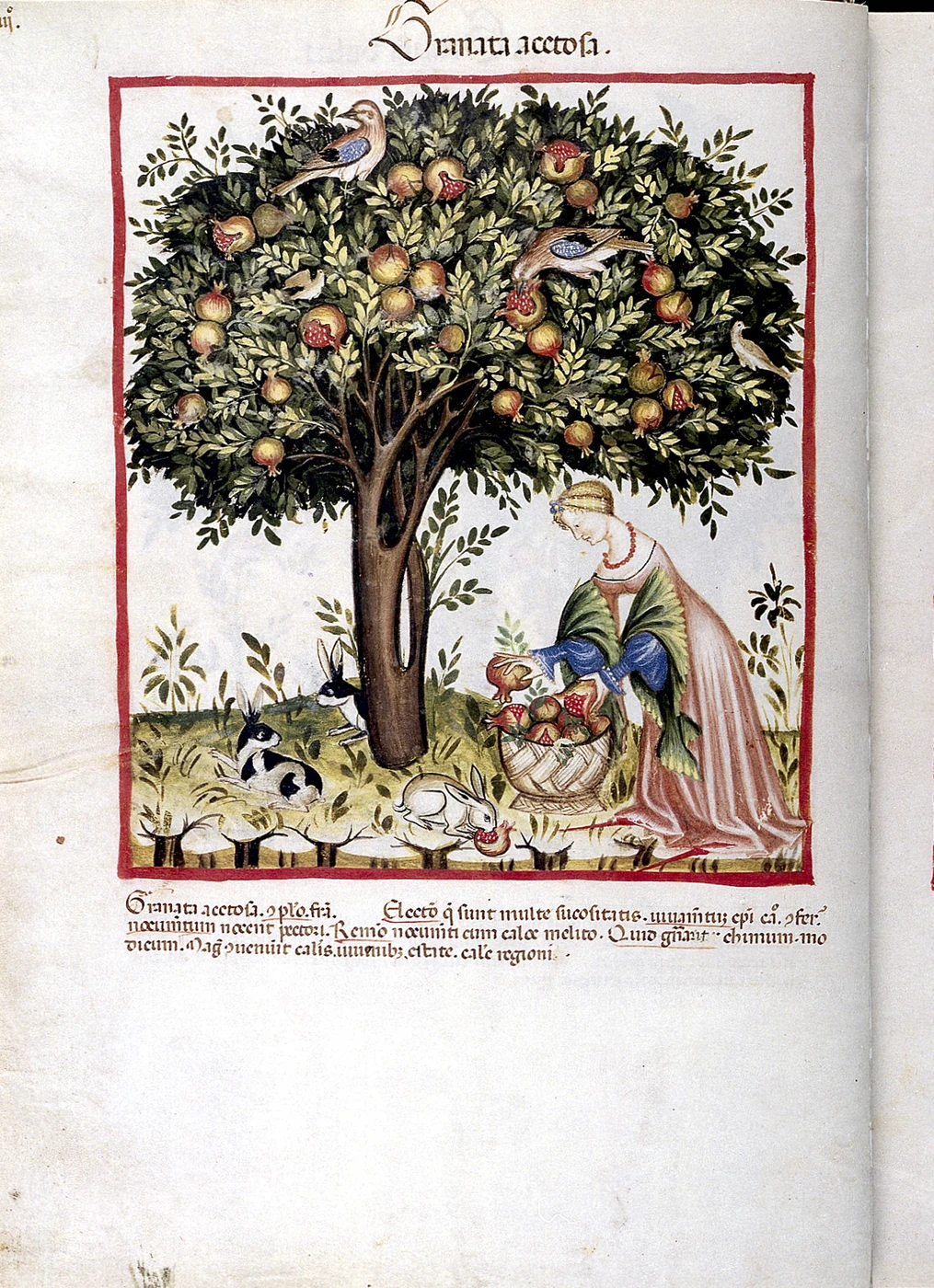
Tacuinum Sanitatis
Regimen Vitae
A Christian-Latin regimen of daily health — bread, sleep, air, work, prayer — illuminated in the style of a book of hours. Ordinary life as the material of sanctification.
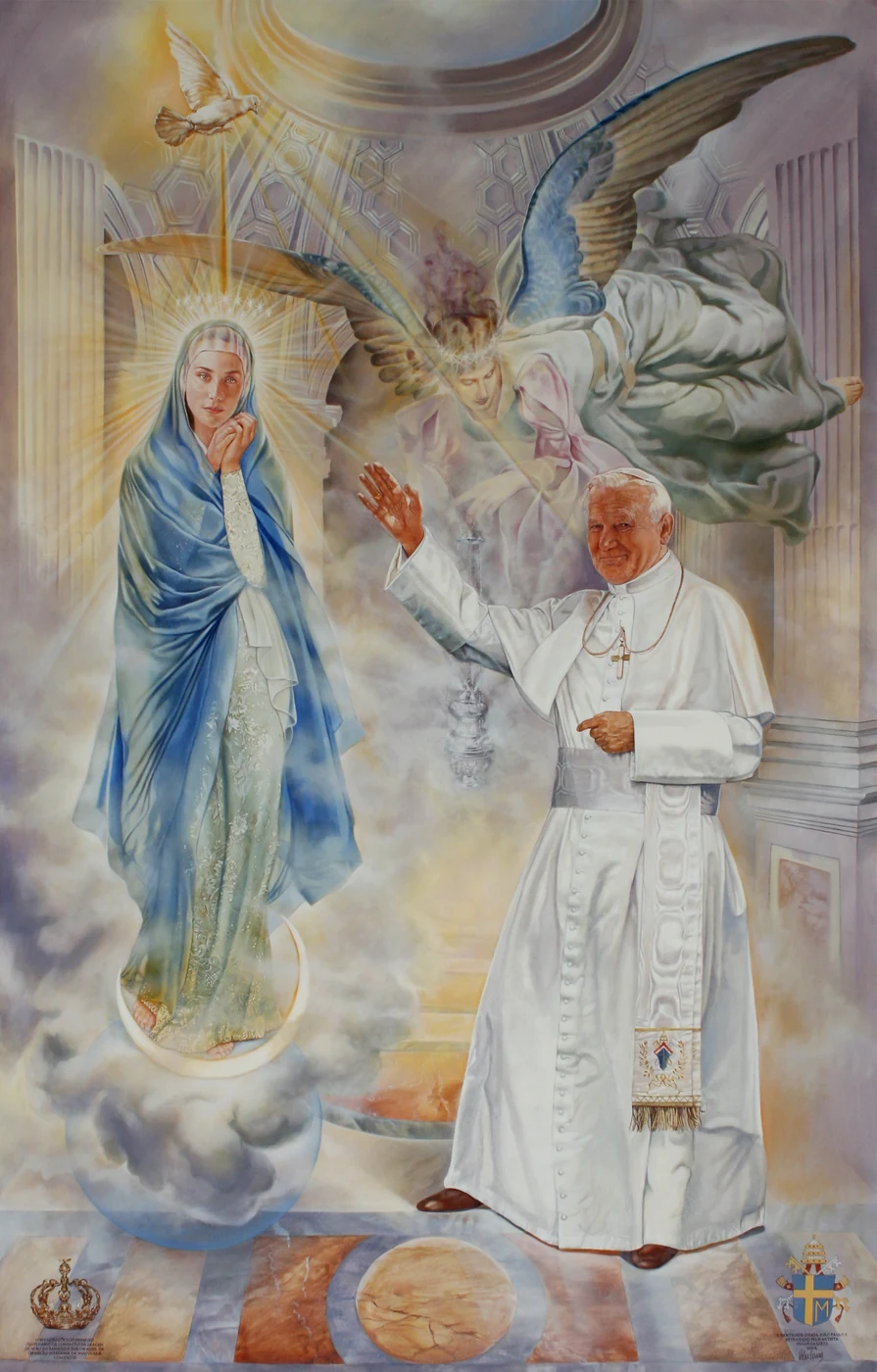
St. John Paul II
Doctor Corporis
His Theology of the Body — 129 Wednesday catecheses — is the philosophical spine of Vitae Formation. Embodiment as a language through which God speaks.
The Body as a Temple

The Quintivium
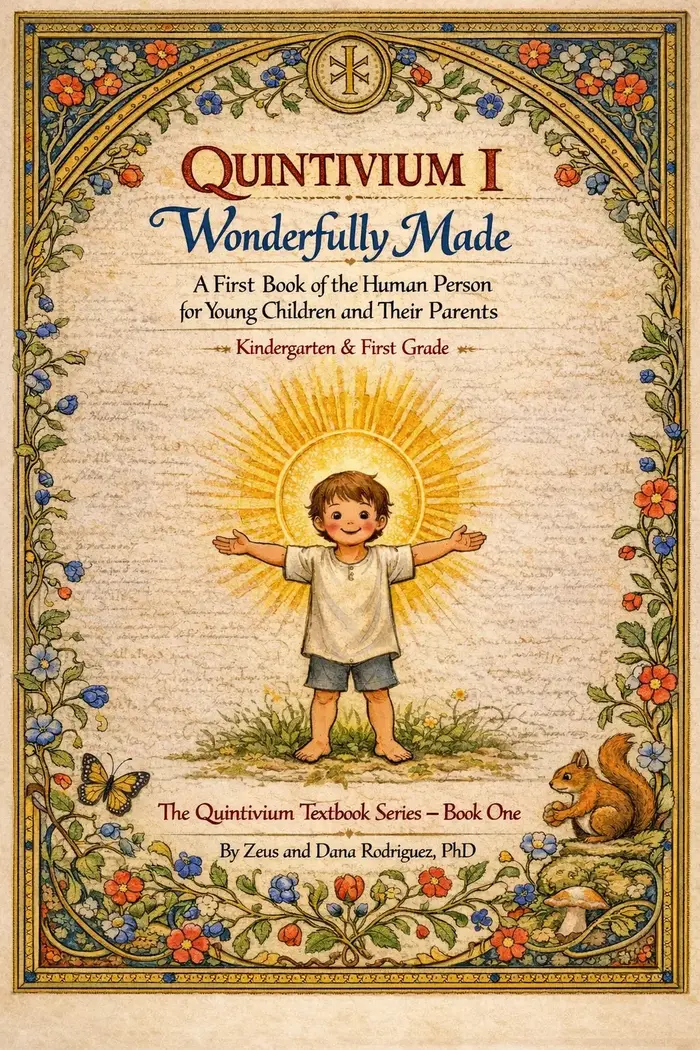
The Trivium gives us the arts of truth. The Quadrivium gives us the arts of beauty. The Quintivium — authored here at Virtualis — gives us the arts of goodness: five liberal arts of the whole human person, extending the medieval seven into a complete classical Christian education.
 (opens in new tab)
The Five Arts of the Human Person
Each art is a way of knowing the human being. Each is a required thread across the entire K–12 series. Every week of every year reaches into all five.
Body
The art of the flesh: anatomy, physiology, nutrition, movement, sleep, sickness, and healing. The eleven systems of the human body walked once at each grade level across K–12 — each pass deeper than the last.
Mind
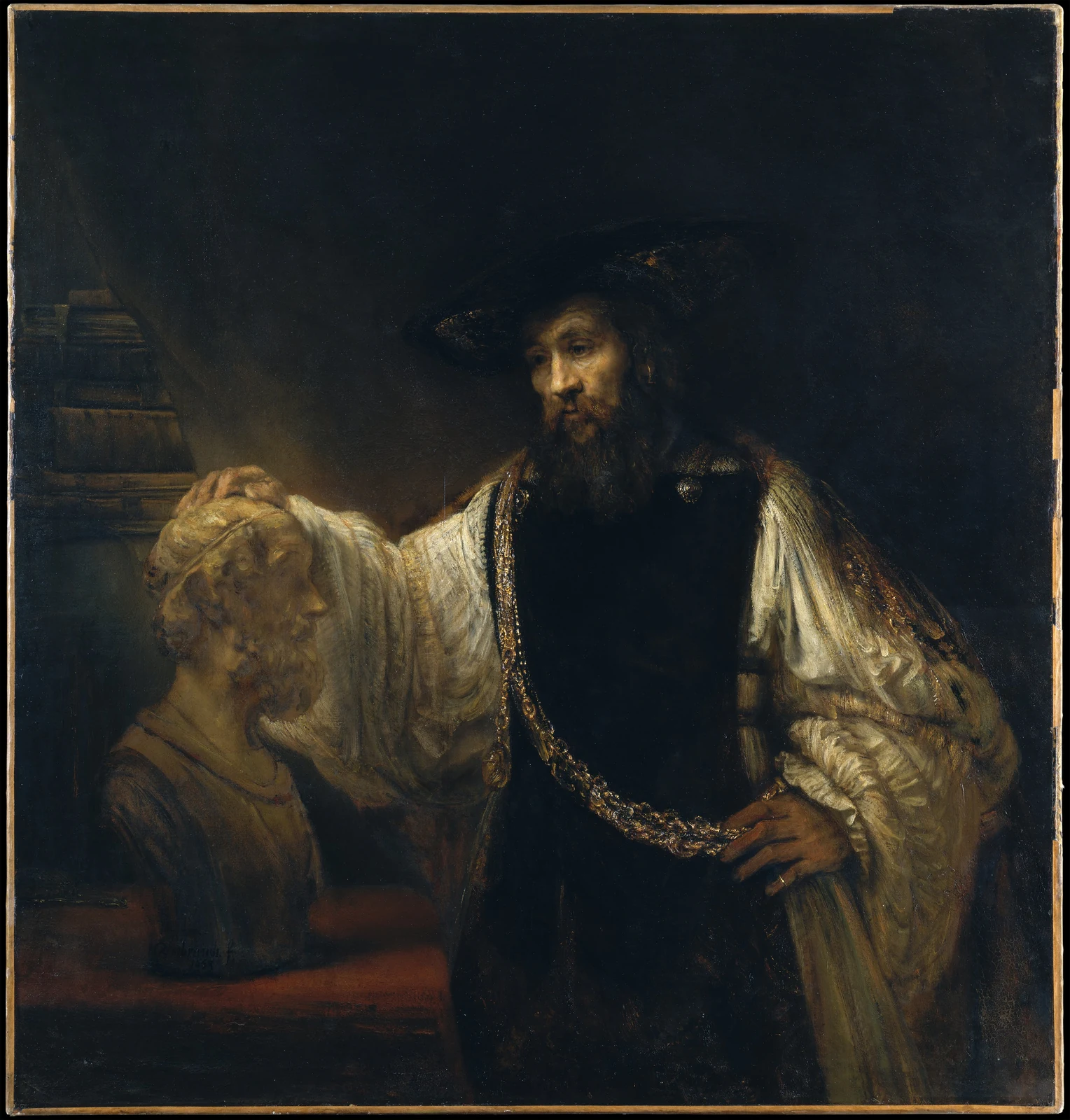
The art of the intellect: how the Christian knows the body. Empiricism, phenomenology, philosophy of science, the hylomorphic unity of body and soul, nihil est in intellectu quod non prius in sensu.
Ethics
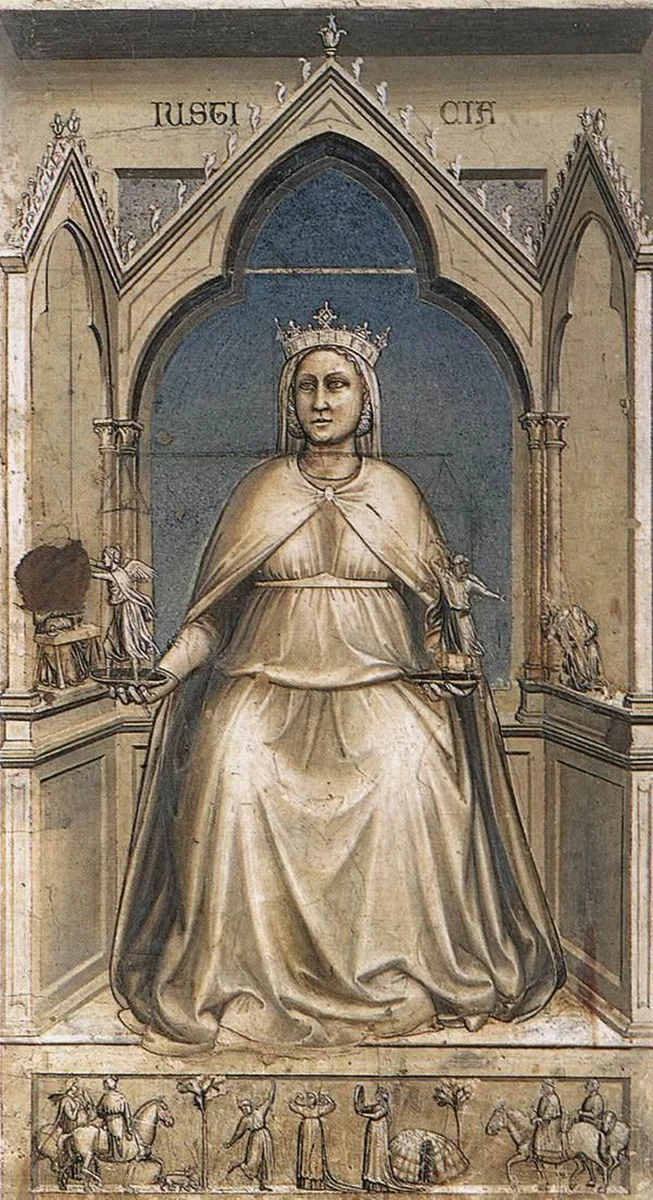
The art of virtue: what the body is for. Cardinal and theological virtues, the acquired and infused life, conscience, chastity, prudence, temperance, and the moral weight of every physical choice.
Theology
The art of the body as sign: imago Dei, the Incarnation, the sacraments as bodily acts, the Resurrection of the flesh, John Paul II's Theology of the Body as the organizing grammar.
Politics
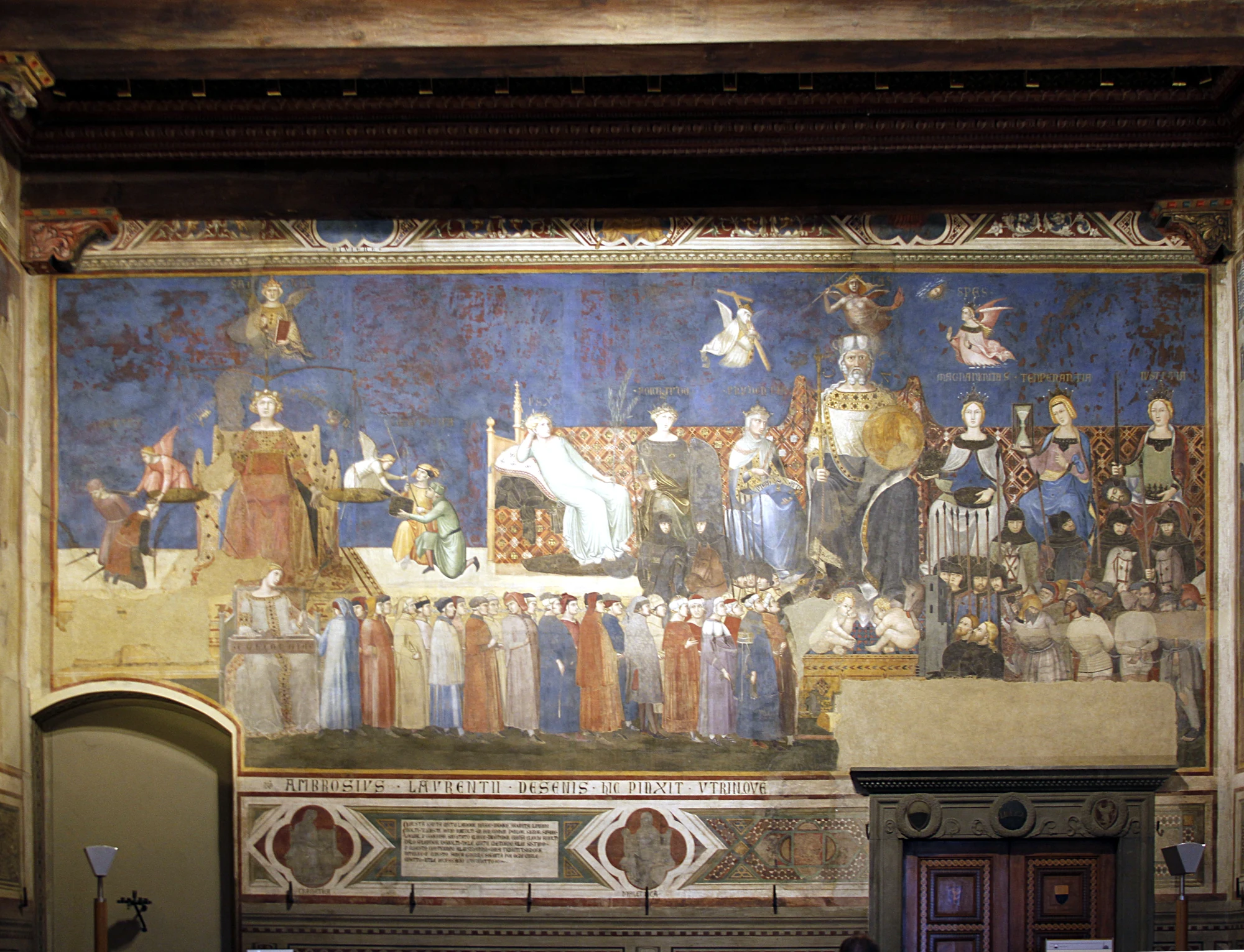
The art of the common body: family, school, parish, city. How embodied persons organize their common life well. Aristotle, Augustine, Aquinas, Leo XIII, the principles of subsidiarity and solidarity.
The K–12 Argument
One volume per grade across the full K–12 arc. Each volume walks the eleven systems of the human body in all five arts, at the altitude appropriate to the student. A kindergartener learns to wash her hands reverently. A senior defends an ethical position on end-of-life care. The thread between them is unbroken.
How Vitae Is Built
Vitae is three axes woven into a single K–12 sequence. Take any week of any grade and all three are present at once.
Eleven Systems
The Subject Axis
Each year walks the student through the eleven major systems of the human body — skeletal, muscular, cardiovascular, respiratory, digestive, nervous, endocrine, immune, integumentary, reproductive, urinary — at an age-appropriate depth. The full K–12 arc returns to each system at progressively deeper levels.
Five Arts
The Wisdom Axis
Every week reaches into all five arts of the Quintivium: Body · Mind · Ethics · Theology · Politics. Anatomy becomes virtue, virtue becomes prayer, prayer becomes political conviction, conviction becomes a way of life.
Twelve Years
The Growth Axis
The K–12 arc is one single argument about what a Christian human being is. A kindergartener learns to kneel. A senior defends an ethical position on end-of-life care. The thread between them is unbroken by a single class.
Available Now — The Vitae Clinic
Vitae is two halves of one program: a K–12 health formation curriculum (in active authoring) and a live Christian telemedicine practice. The clinical half is already open and accepting families today.
Vitae Health is a Christian telehealth practice led by Dr. Dana Rodriguez, PhD. Families can book wellness consultations, developmental screenings, and parent coaching today — while the Vitae Formation curriculum prepares for its 2026–27 launch.
This is how Vitae is different: the founder is the clinician, the clinician is the curriculum author, and the curriculum and the clinic are run by the same hands. A parent reading a chapter on adolescent development can call the woman who wrote it — and book an appointment with her.
As Kingfishers Catch Fire
Gerard Manley Hopkins, SJ · c. 1877
As kingfishers catch fire, dragonflies dráw fláme;
As túmbled over rim in roundy wells
Stones ring; like each tucked string tells, each hung bell's
Bow swung finds tongue to fling out broad its name;
Each mortal thing does one thing and the same:
Deals out that being indoors each one dwells;
Selves — goes itself; myself it speaks and spells,
Crying Whát I dó is me: for that I came.
Hopkins is the patron poet of Vitae because he understood, before the word phenomenology existed, that every creature is a sign — and that to be a body is to speak God's name by being oneself.
Frequently Asked
Be the First to See Vitae
Enroll today for the 2026–27 school year, or request information about the Vitae Formation curriculum and the Quintivium textbook series. Families on our formation list will receive previews of the books as they are released.
Enroll for 2026–2027 Info